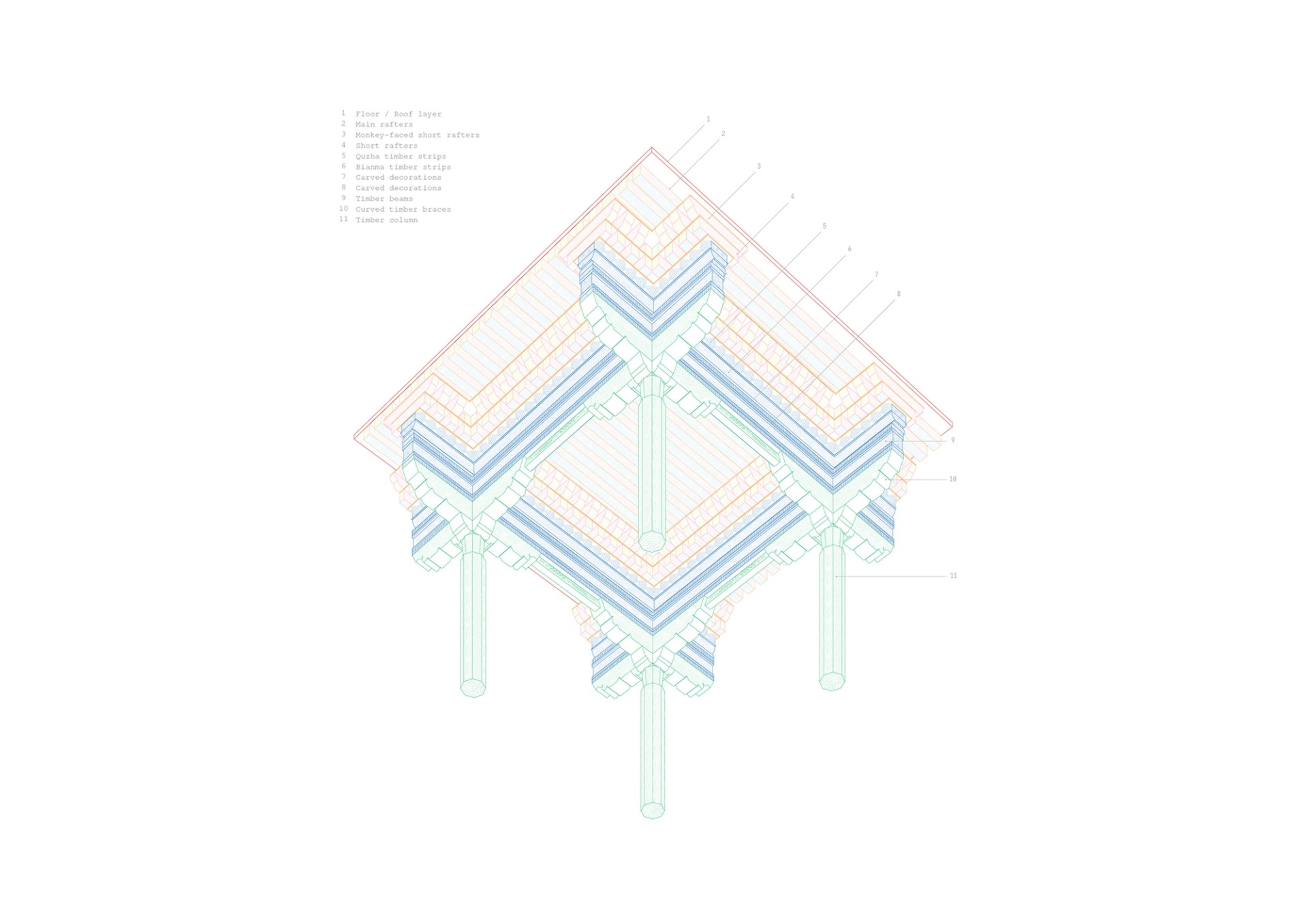
Beam-Column Structure Detail Study

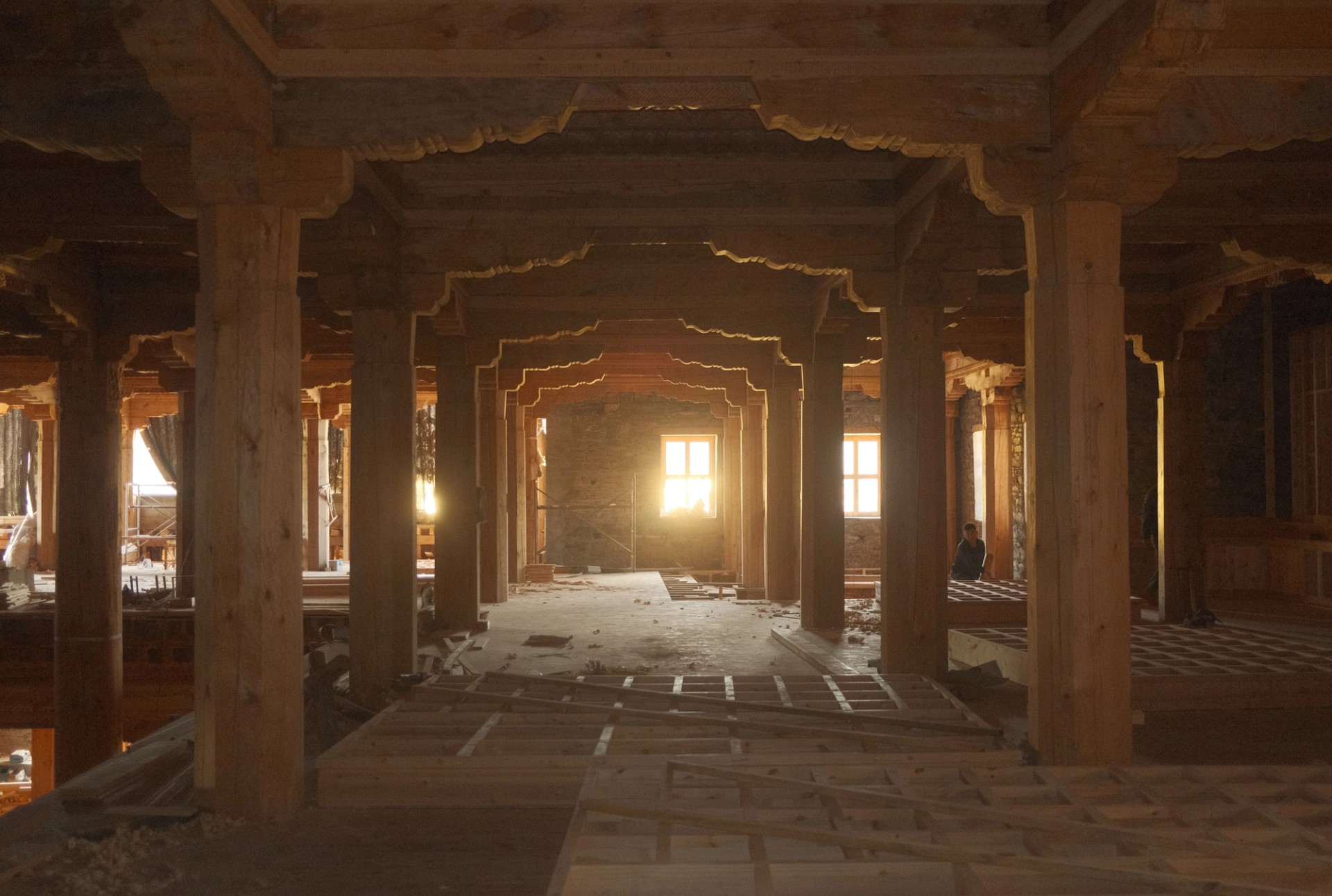
Traditional Tibetan temples take timber column-beam structure as their core structural system. Vertical loads are transferred through column grids, with a standard column spacing of 2.4~3.0 meters. The maximum height of columns can reach 8 meters.
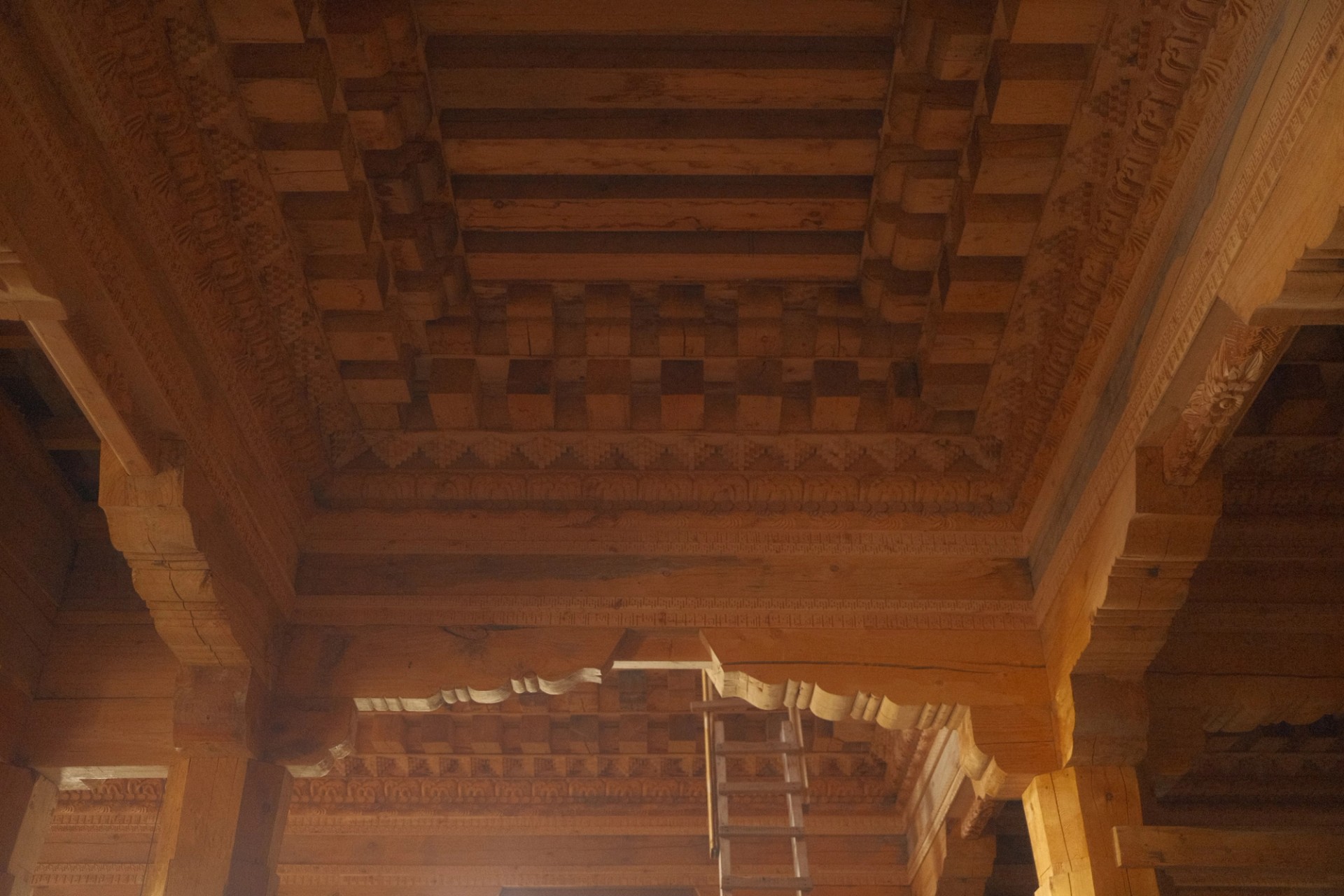
On top of each column capital, curved supporting timbers of varying lengths are stacked. These timbers not only disperse beam pressure to avoid cracking at column tops, but also function as decorative elements.
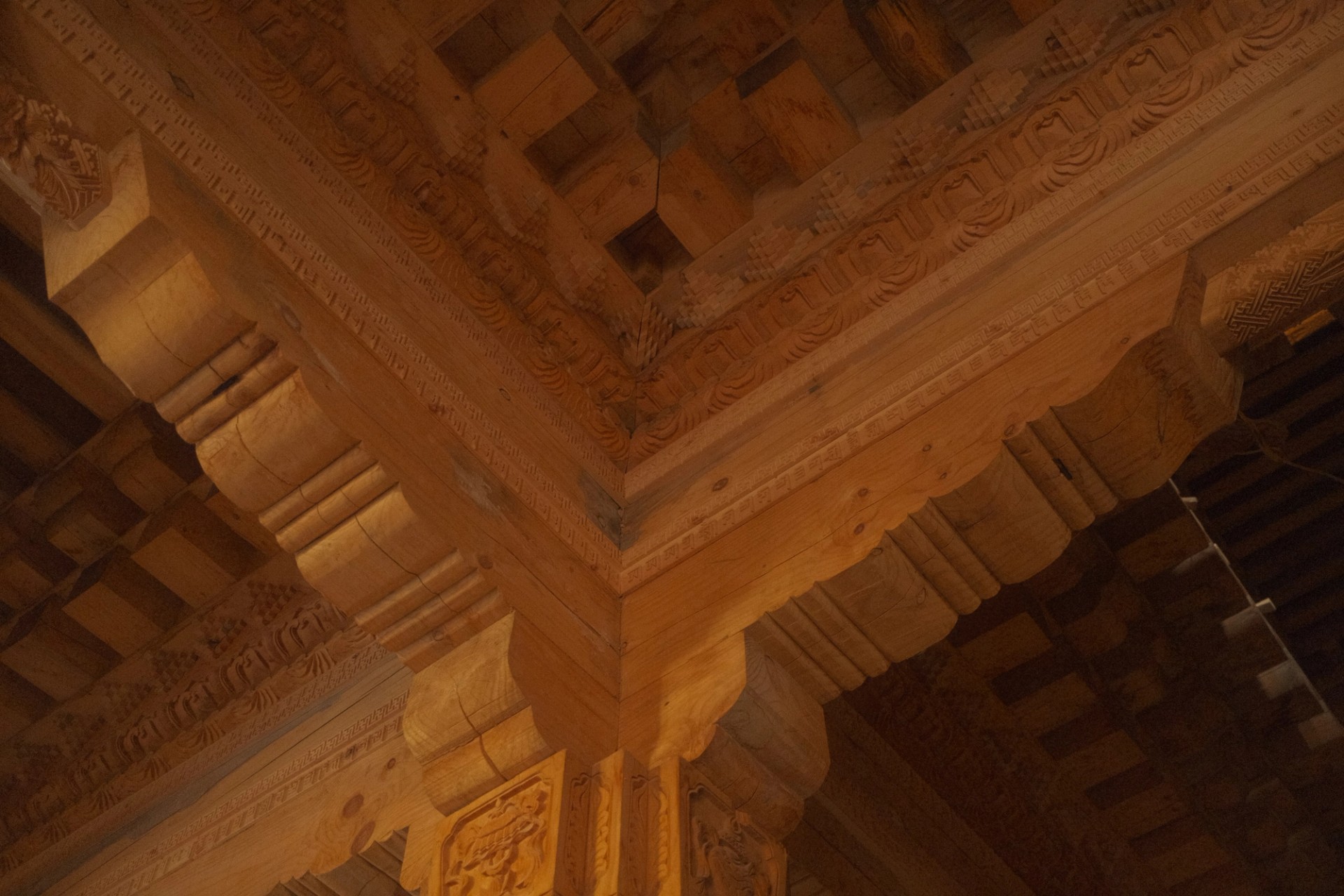
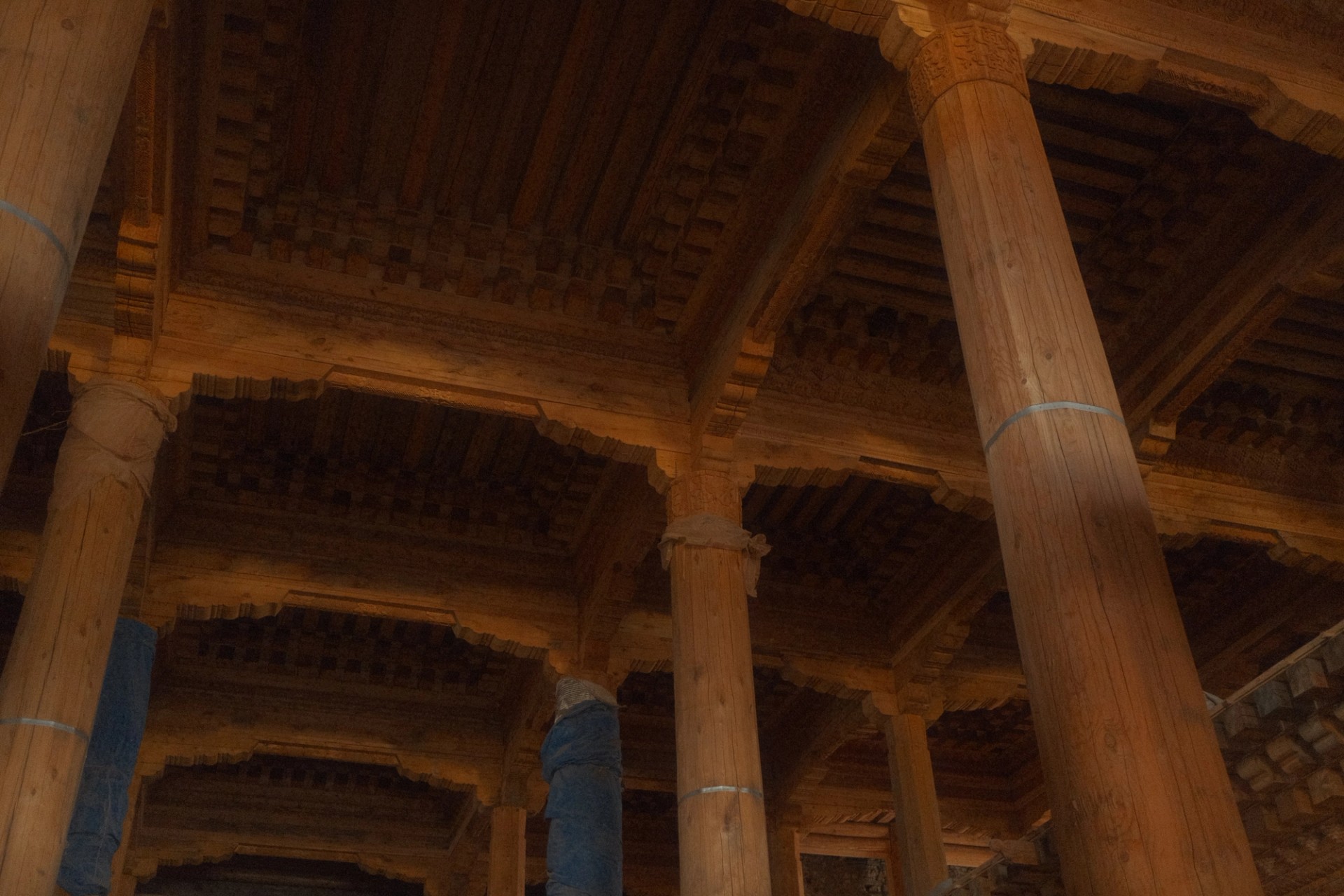
Transverse frames are built with rectangular timber beams that are taller than they are wide, classified into three types: arm beams, lapped beams and ordinary beams. Rafters are laid perpendicularly over the beams to form the base of floors and roof slabs.
Beam frame components: Bianma and Quzha are long timber strips attached to both sides of main beams, which bind the whole beam frame and restrict lateral deformation.
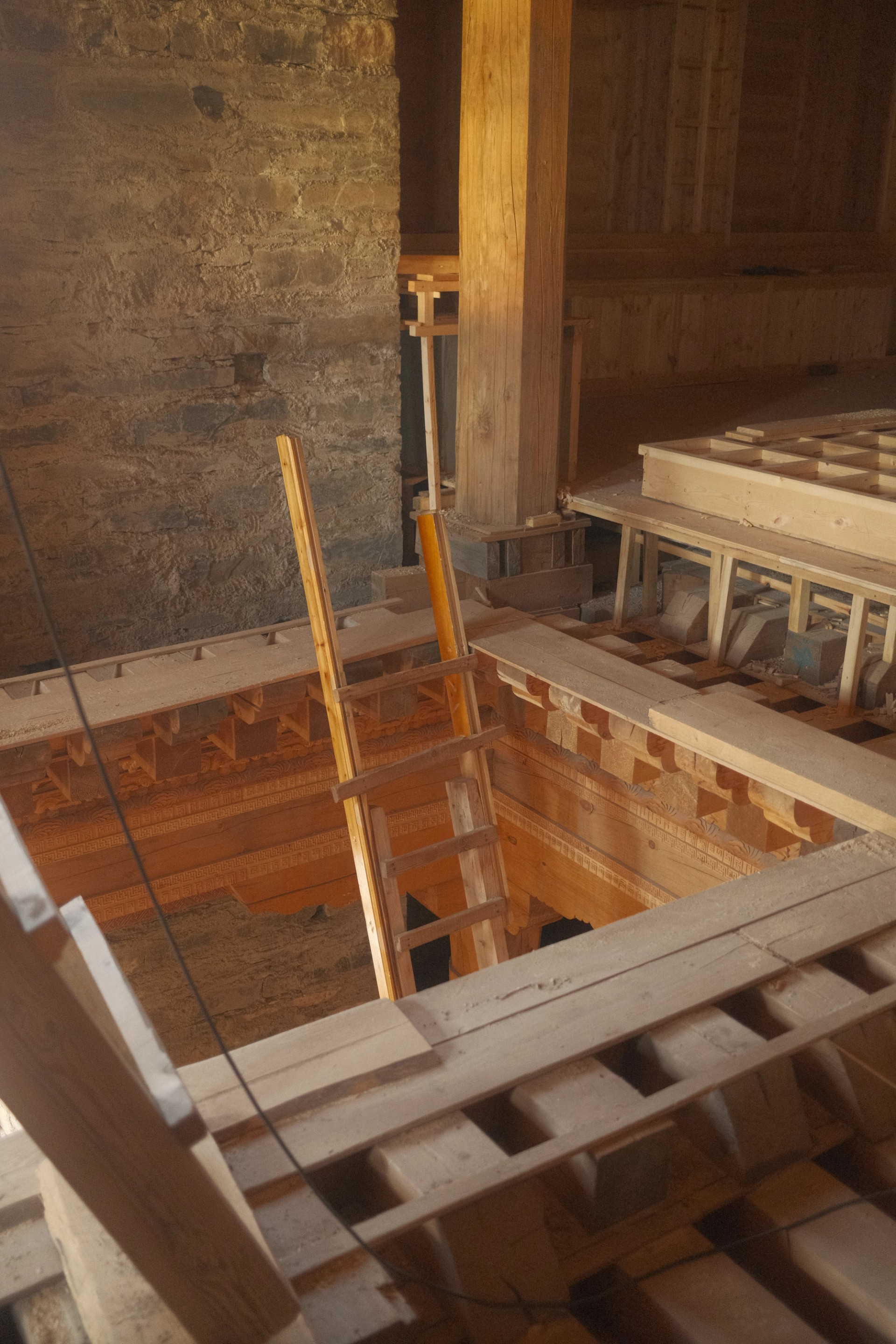
Monkey-face short rafters are curved decorative elements installed between Quzha strips and main rafters, which lift the indoor height. Double-layer short rafters consist of an additional layer of square short rafters laid underneath monkey-face short rafters to further raise the indoor space and create a more luxurious architectural effect.

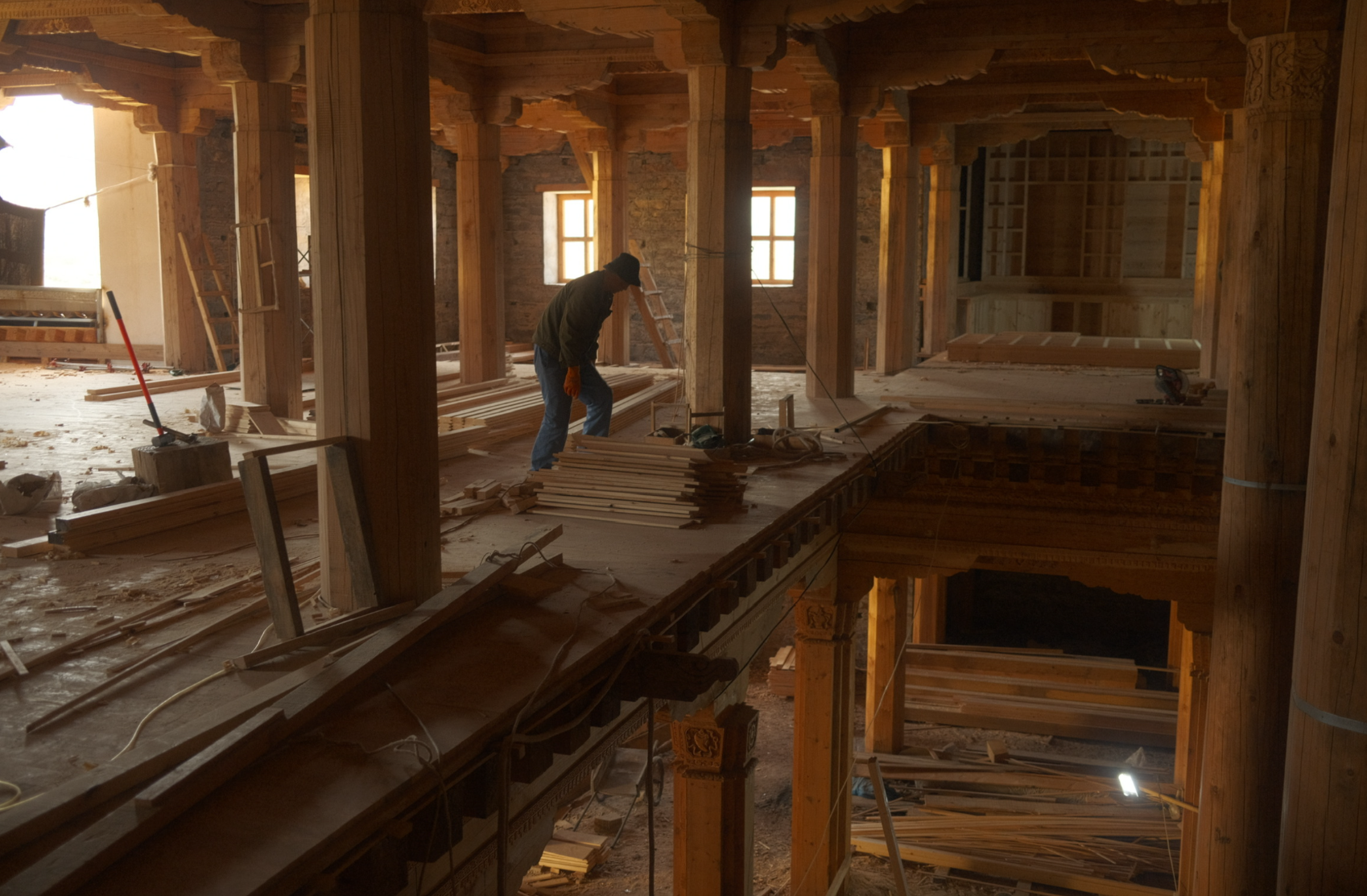
Cushion timbers are be placed between every superimposed layer, and clamping boards are used to seal the gaps between short rafters.
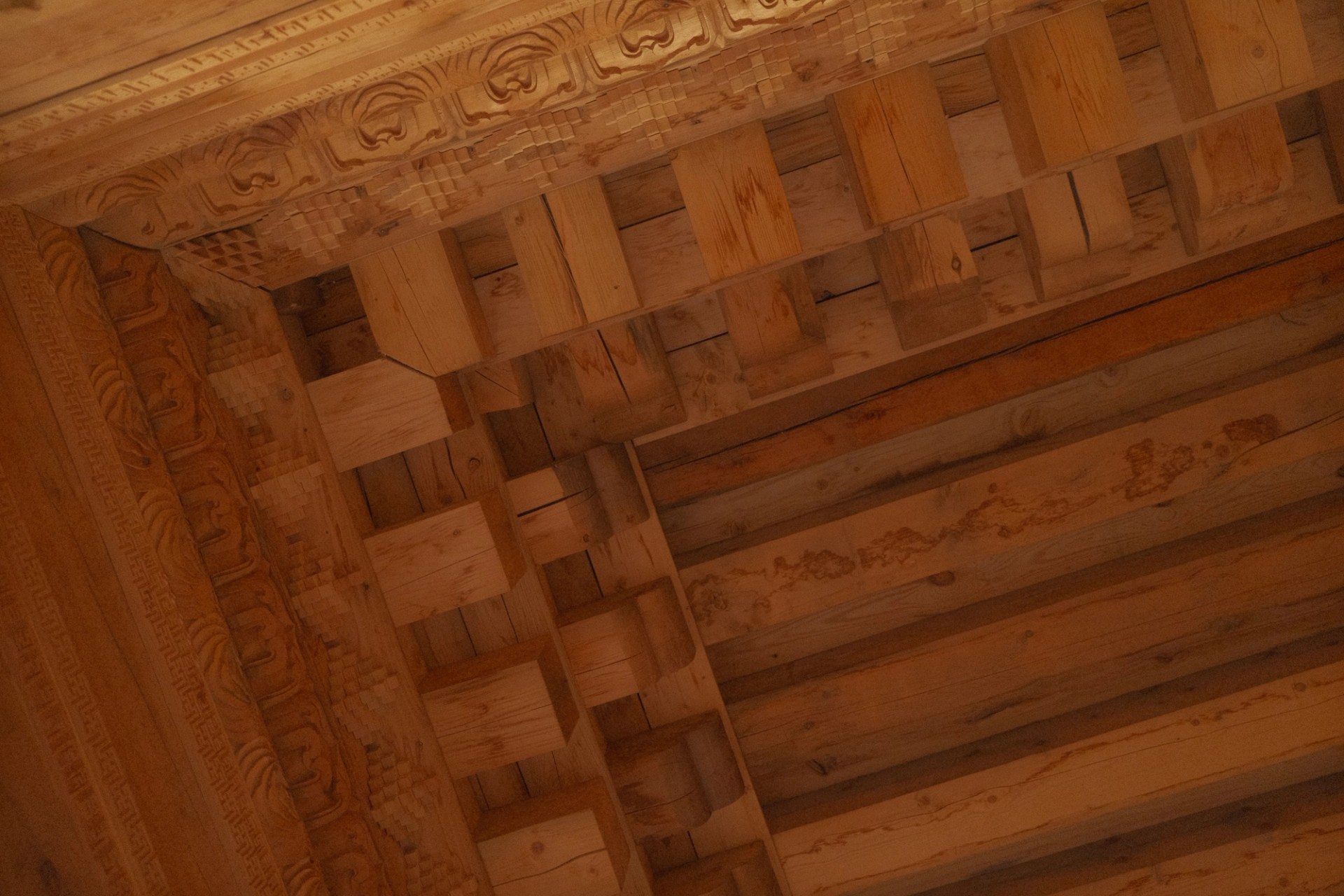

The entire beam frame system is categorised into four styles based on the stacked layers of timber components: the basic style without extra decorative components, the standard style equipped with Bianma and Quzha strips, the intermediate style equipped with monkey-face short rafters, and the top-grade style with the set of double-layer short rafters.
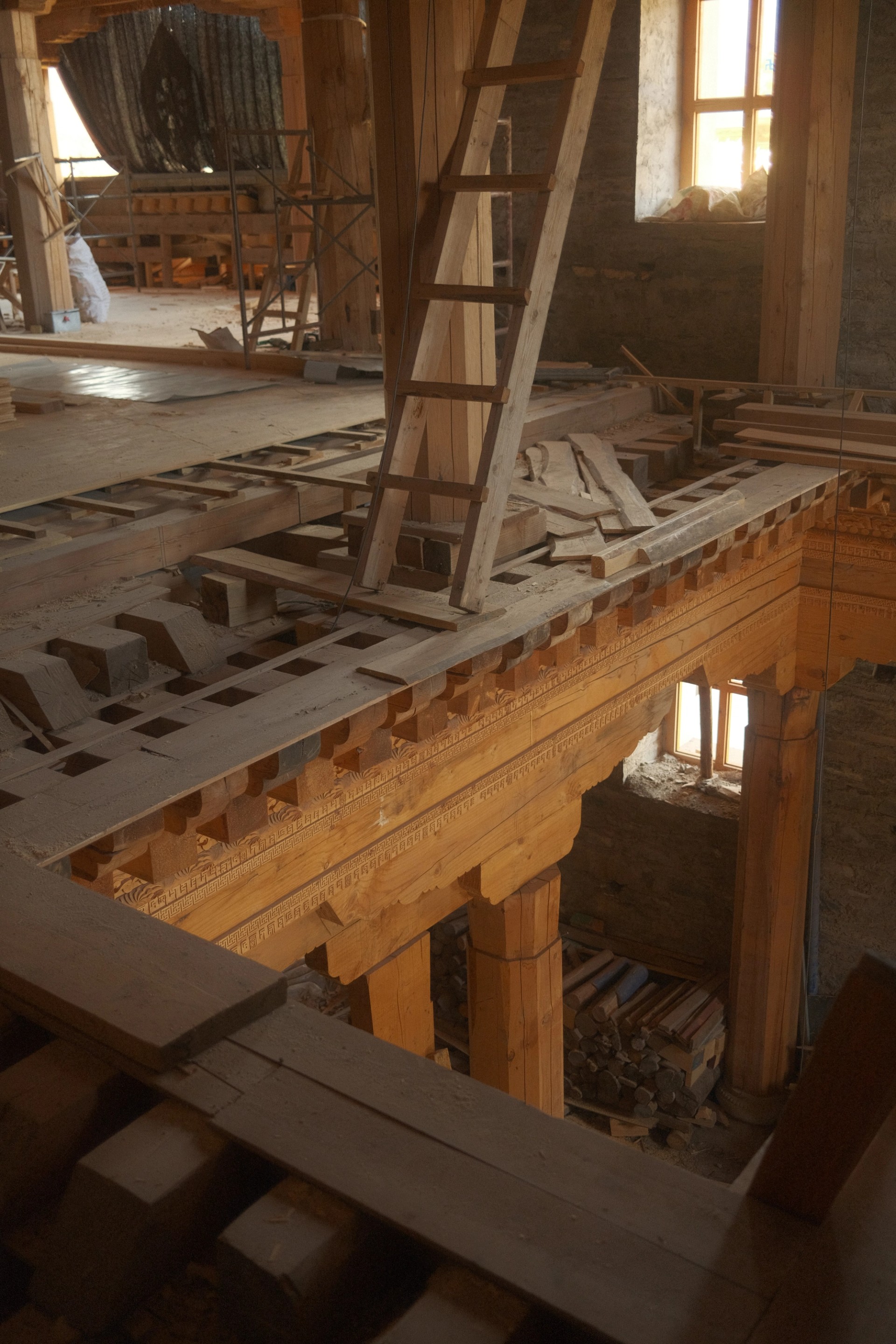
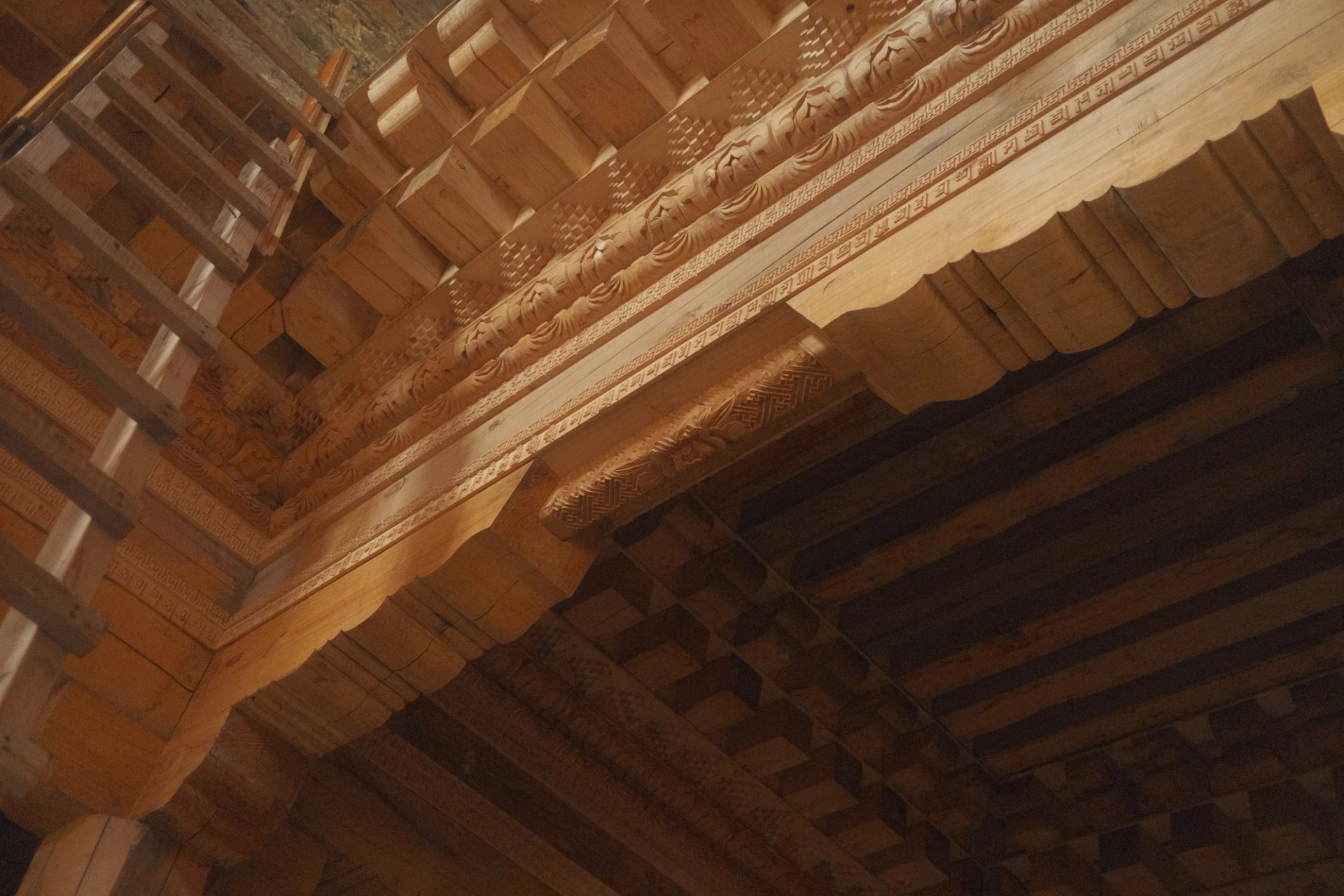
The building's grade and status are directly shown by its wooden components' assembly complexity, with each serving both decorative and structural purposes.