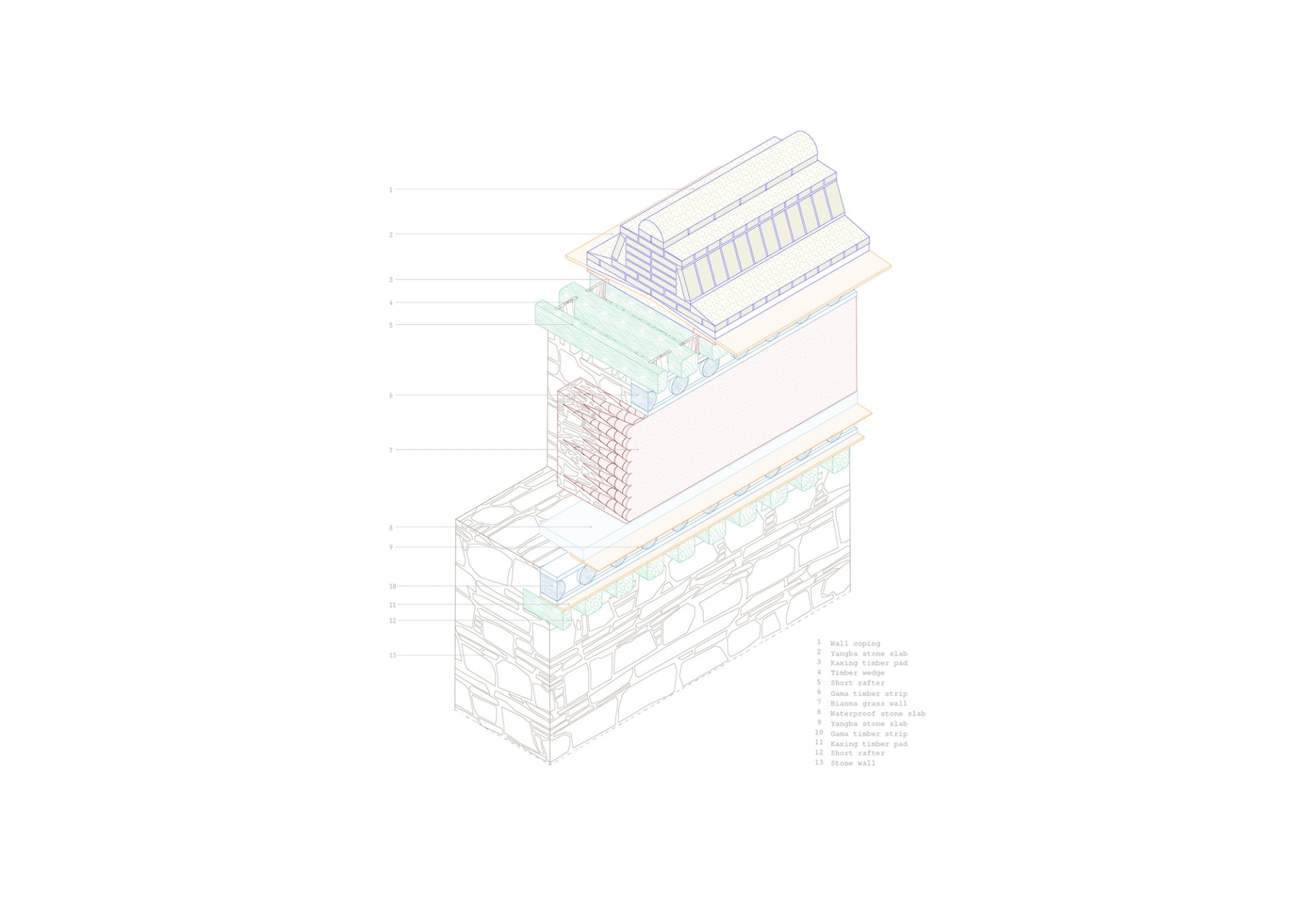
Bianma Wall Detail Study

The Bianma wall serves multiple functions, including load-bearing enclosure, facade decoration, and grade identification.
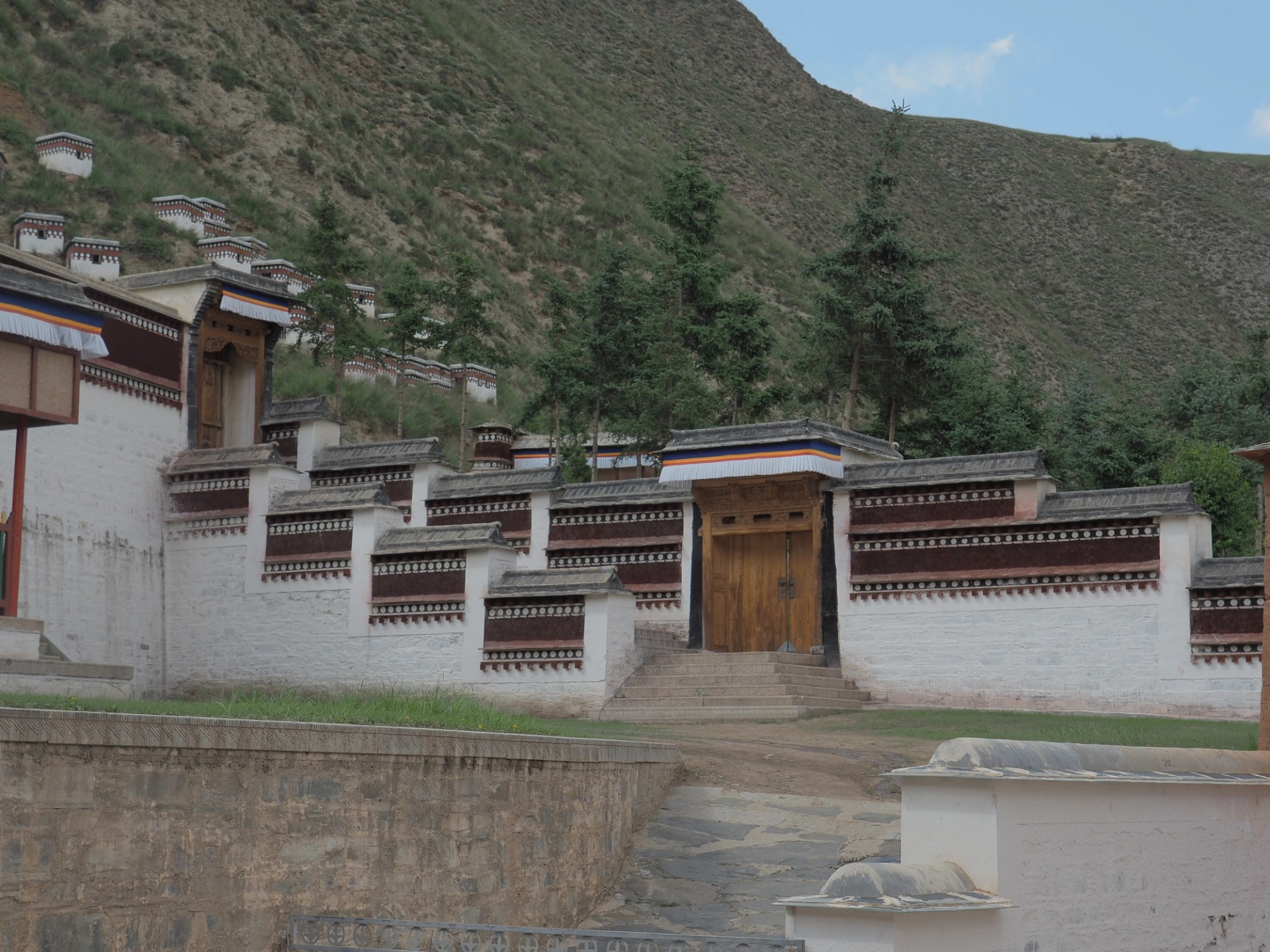
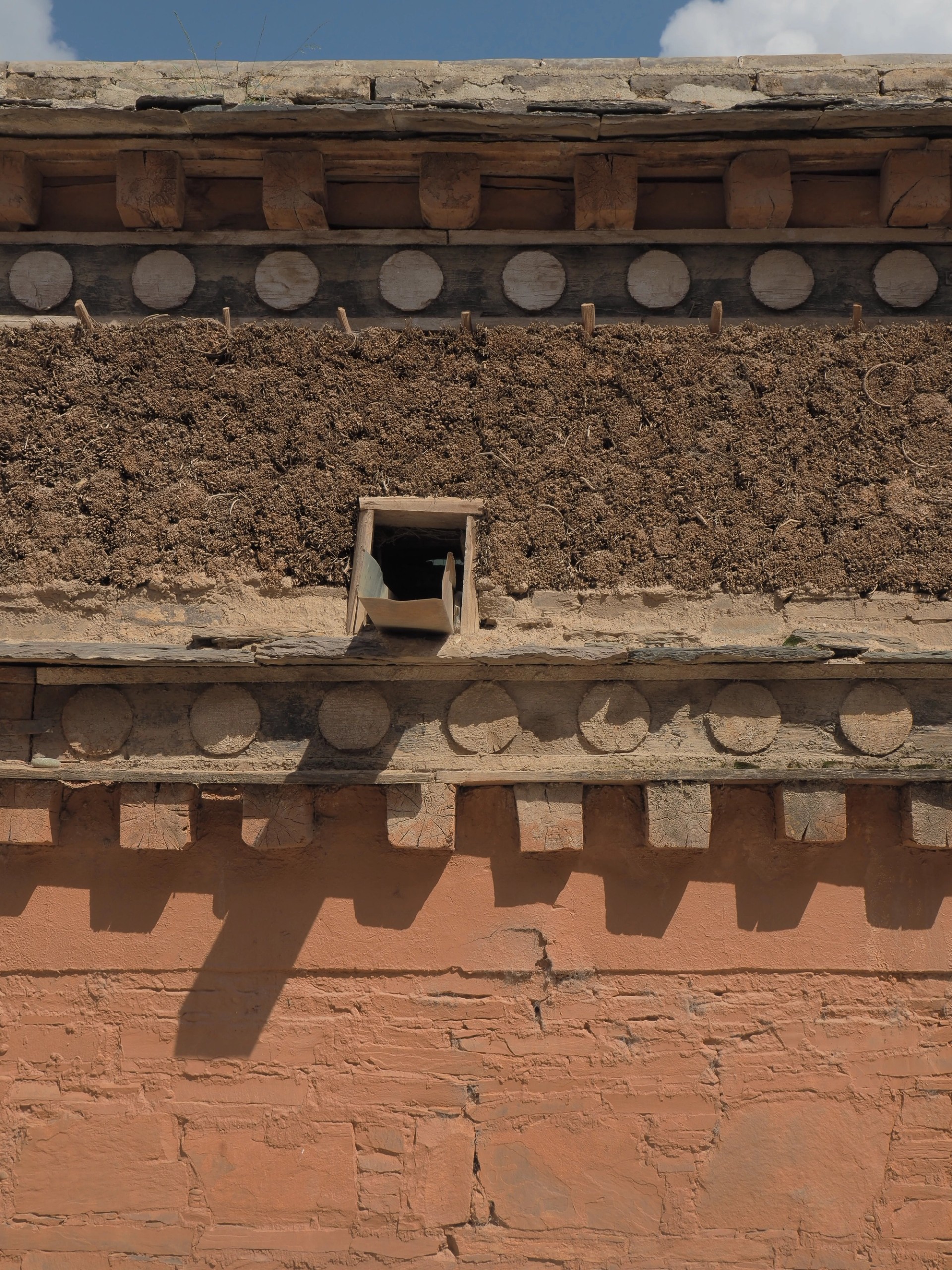
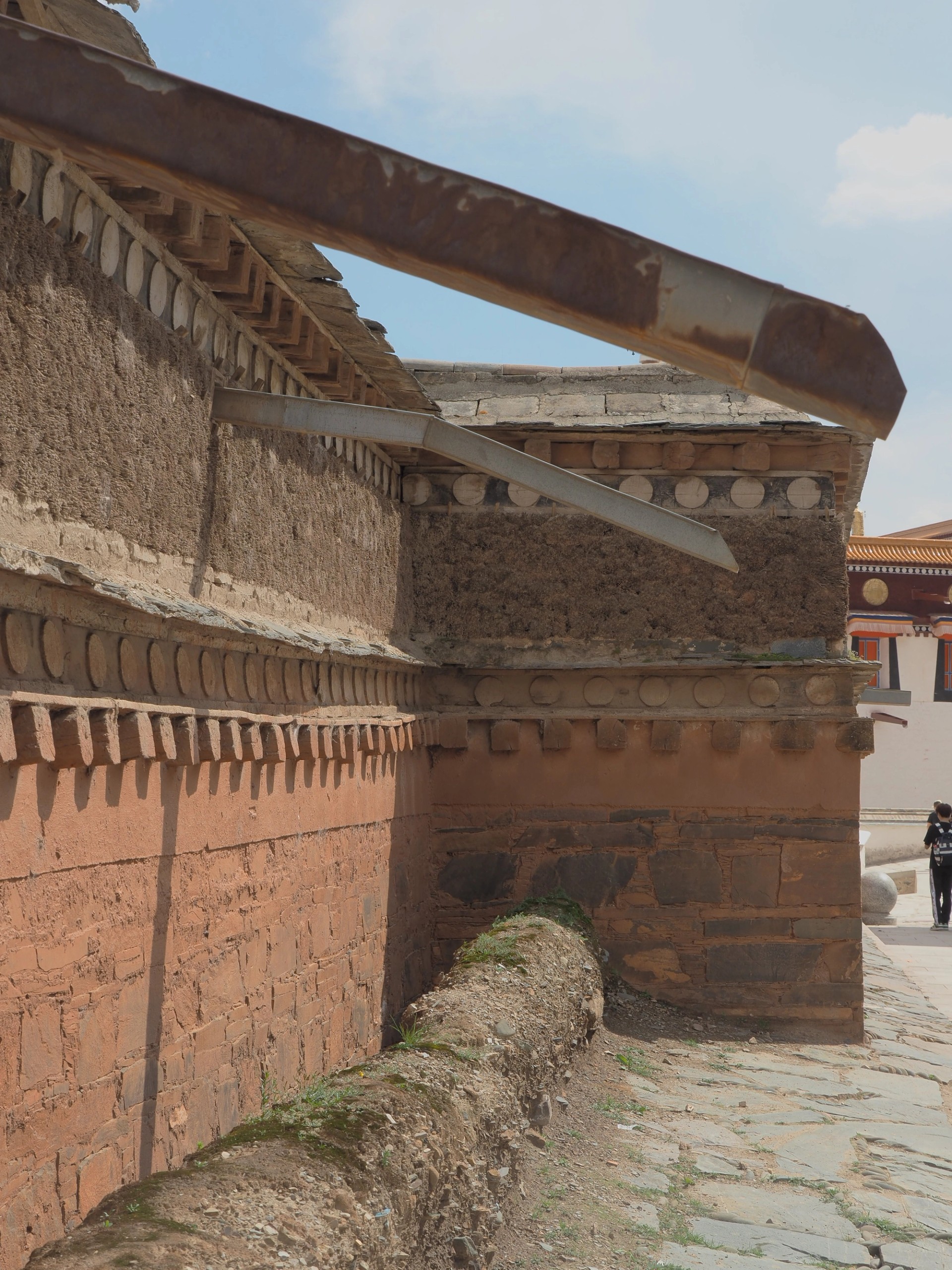
Bianma wall in Gannan are classified into single-layer and double-layer types according to stacking layers. Single-layer Bianma walls are usually built on the parapet of the roof, with a uniform height of 400~1200mm, matching the height of the parapet. Double-layer Bianma walls are mostly applied to high-grade buildings such as monastery halls.
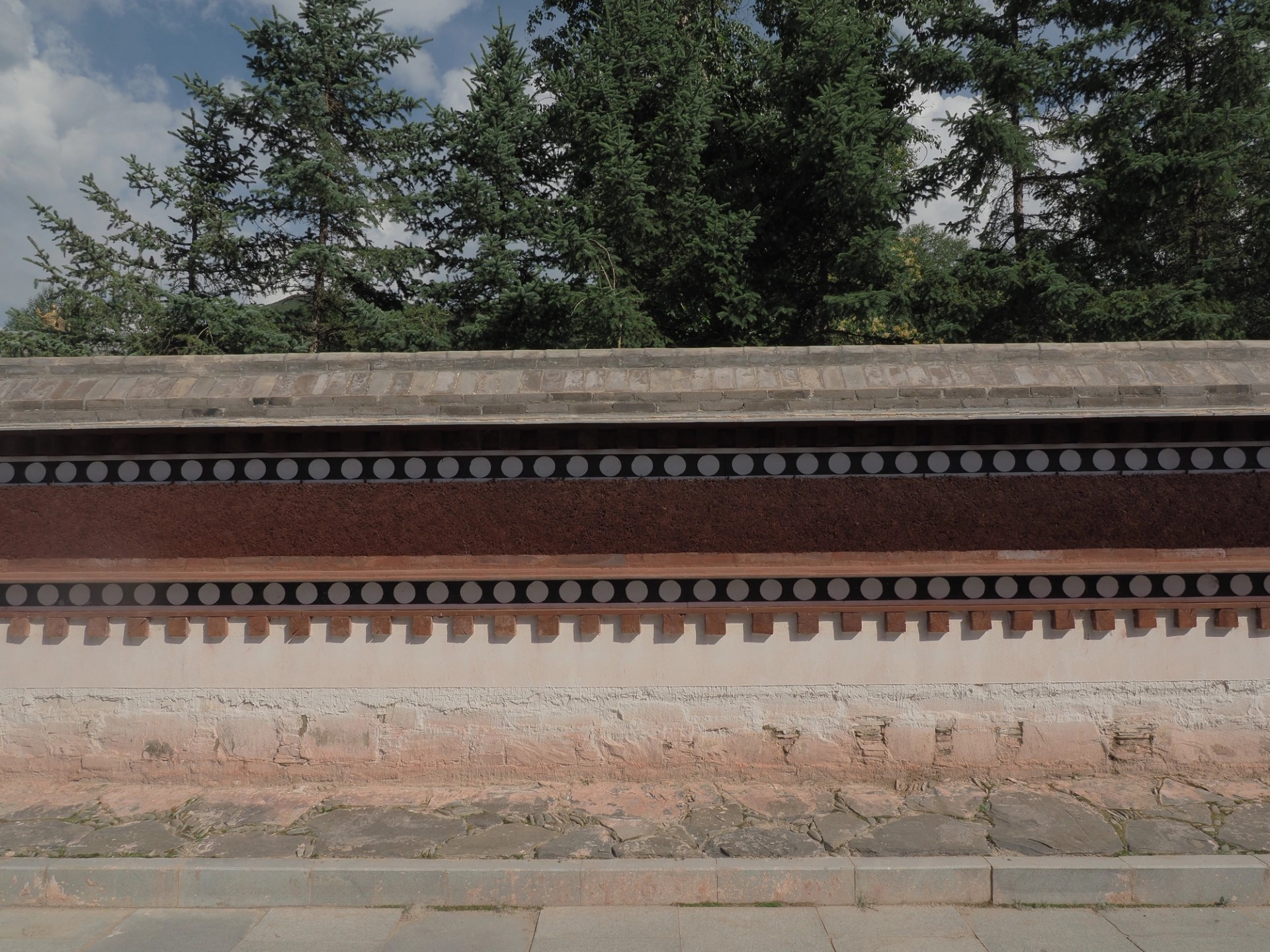
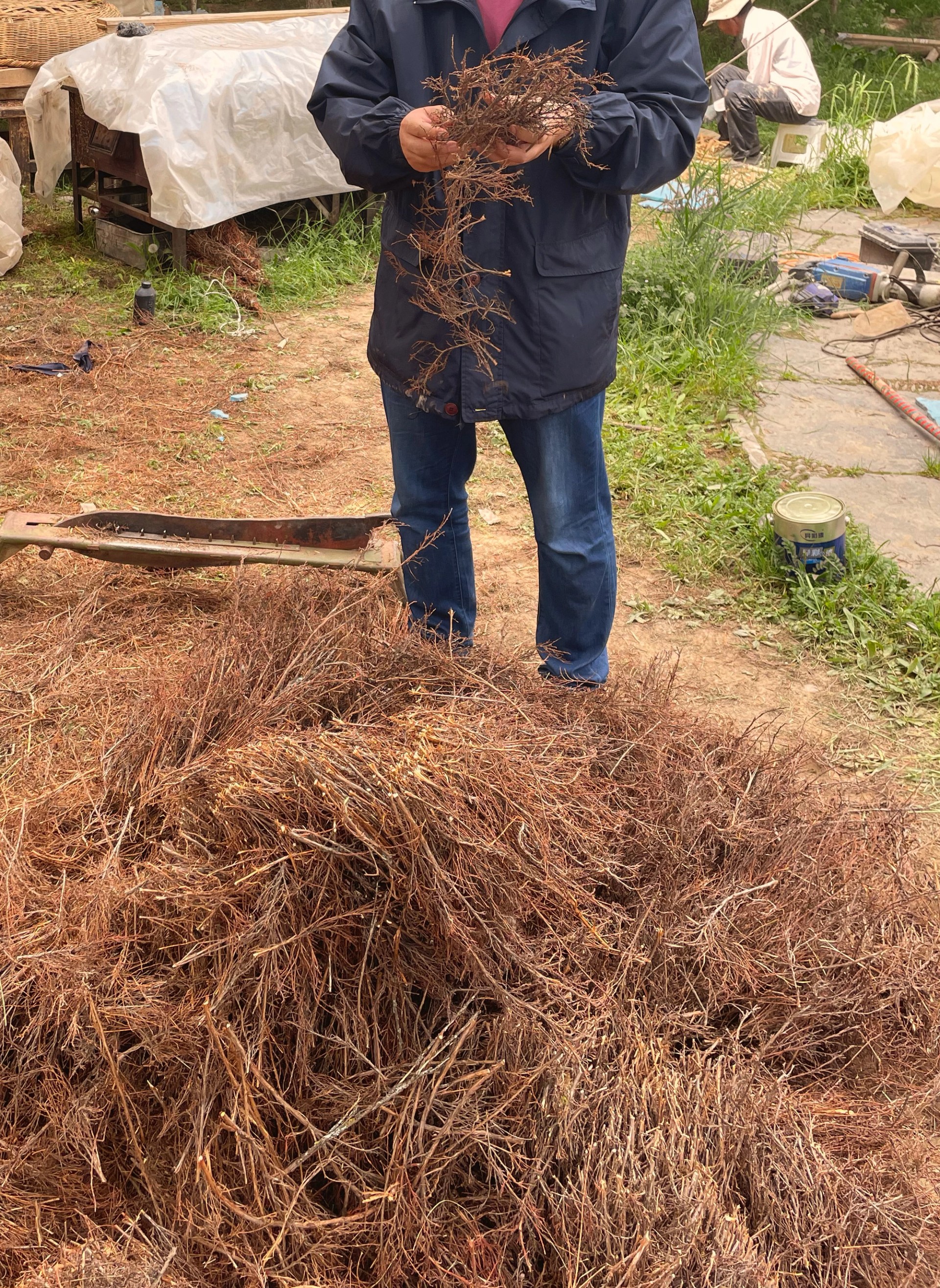
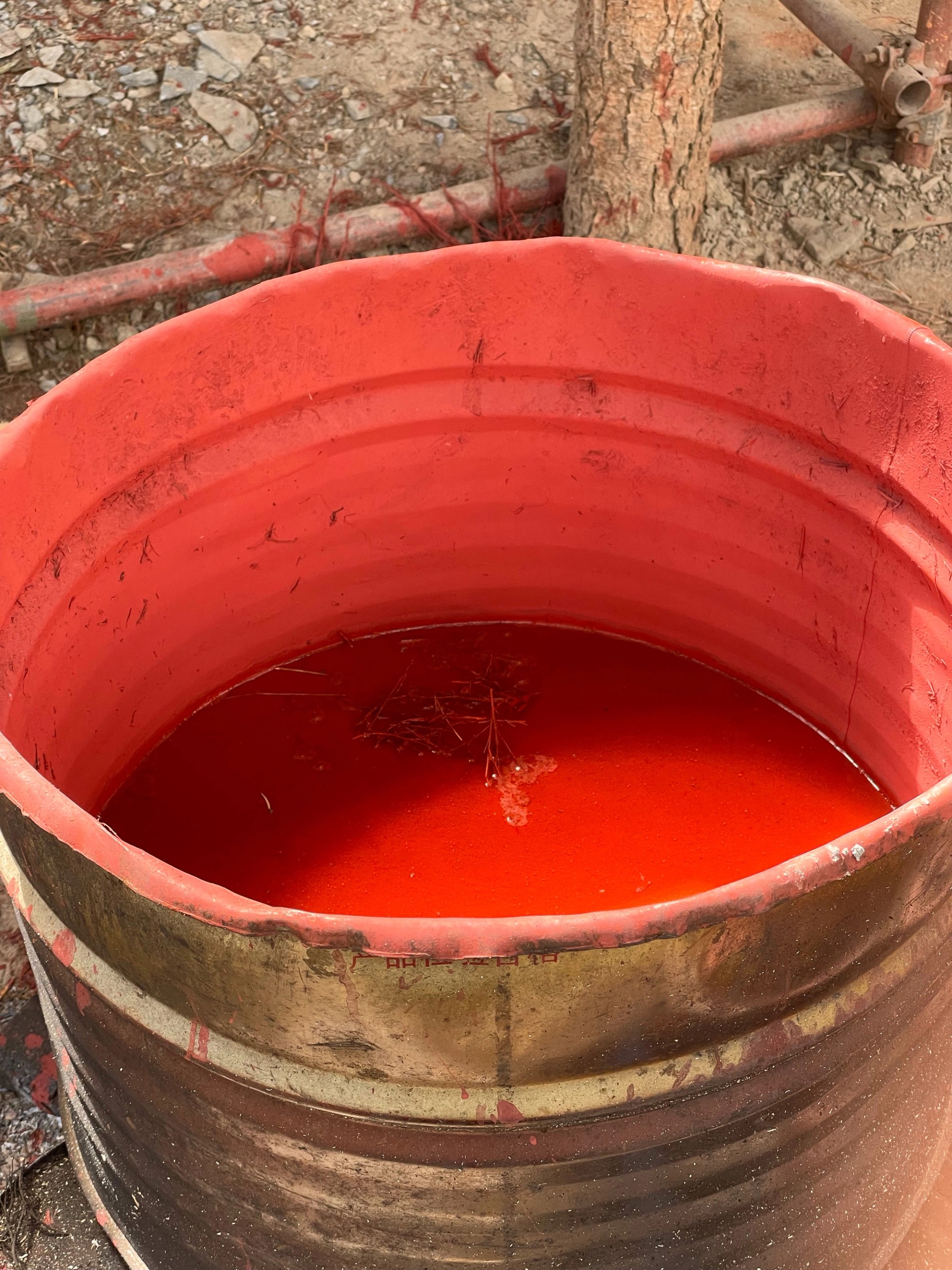
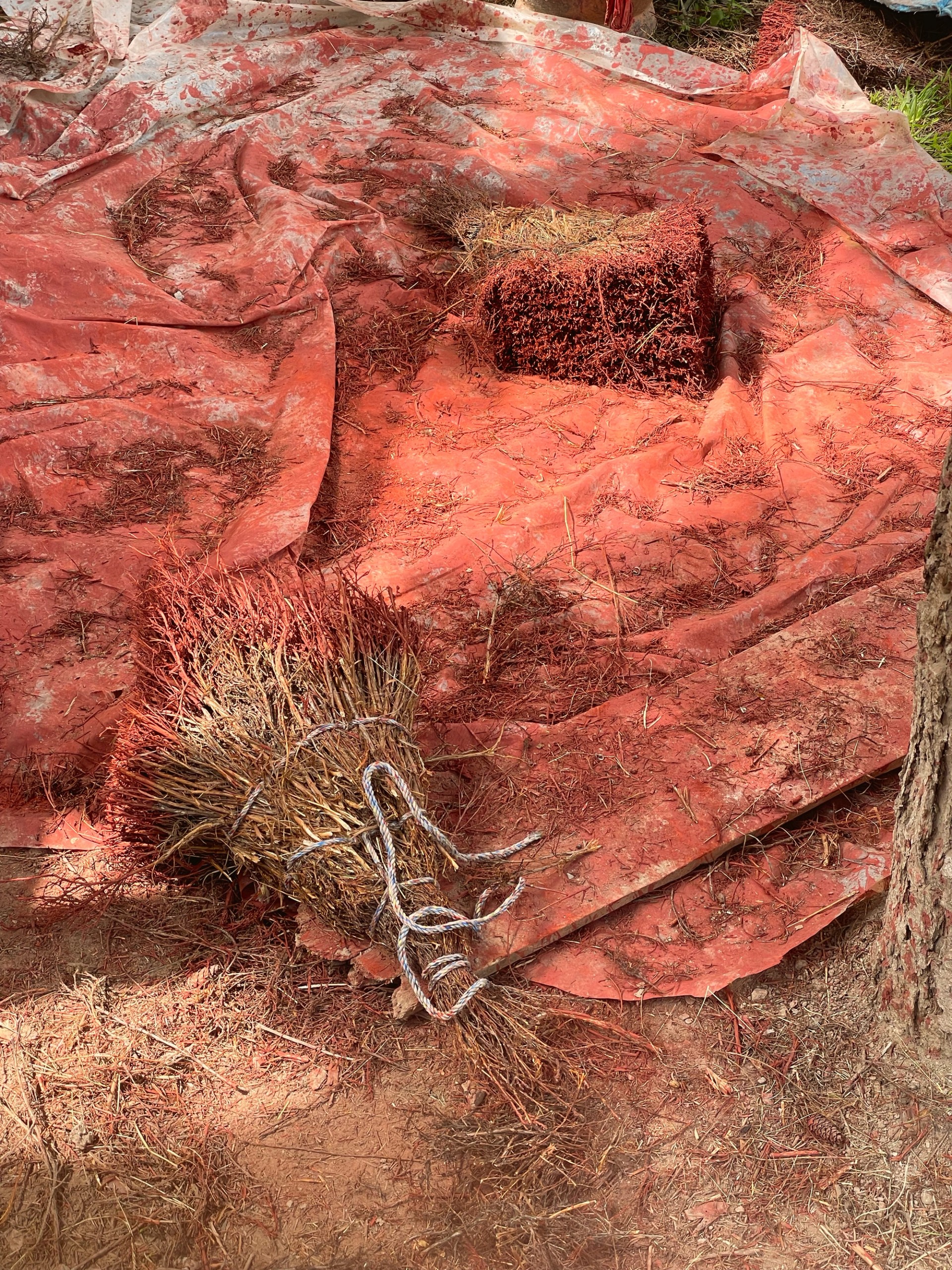
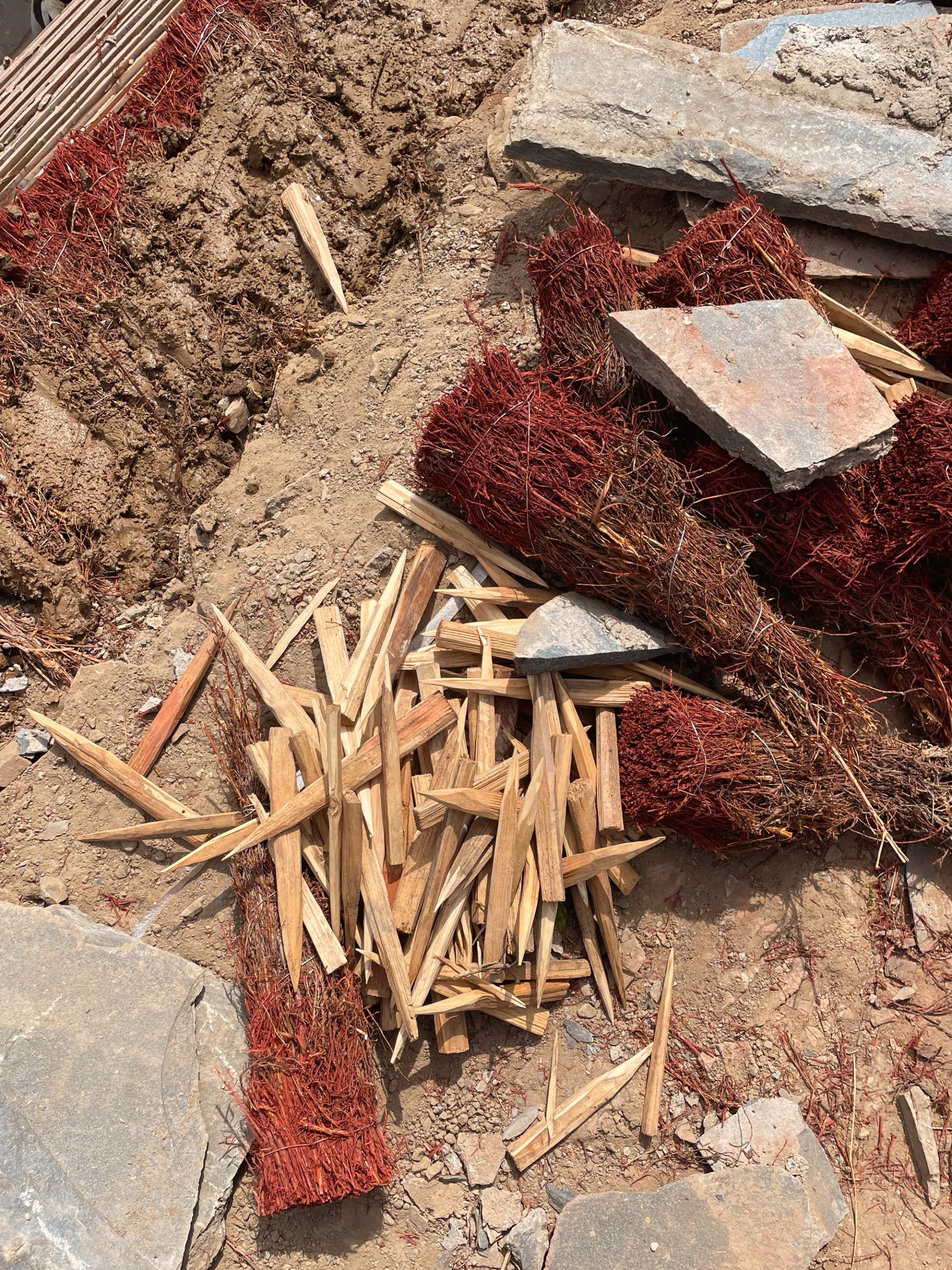
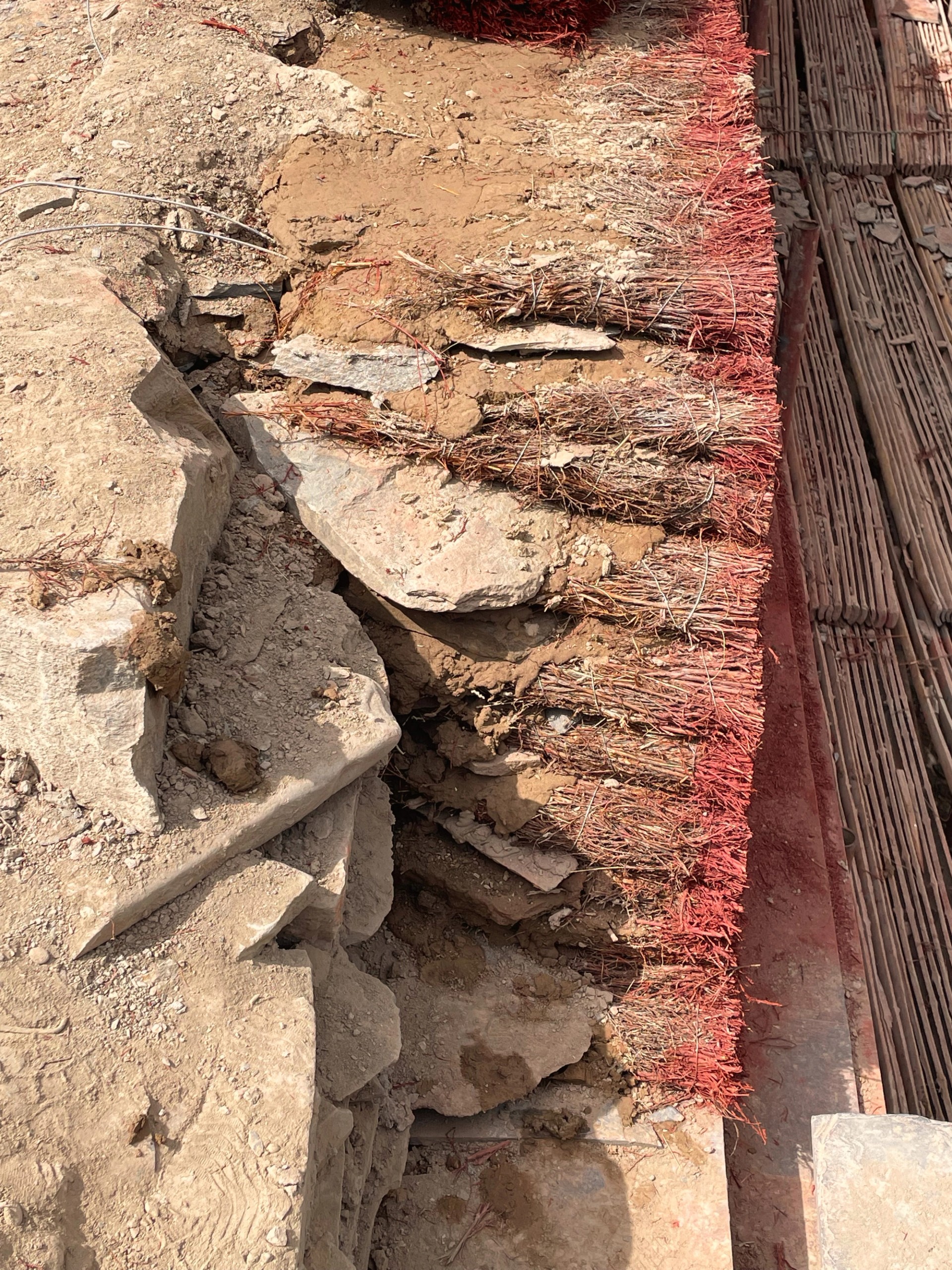
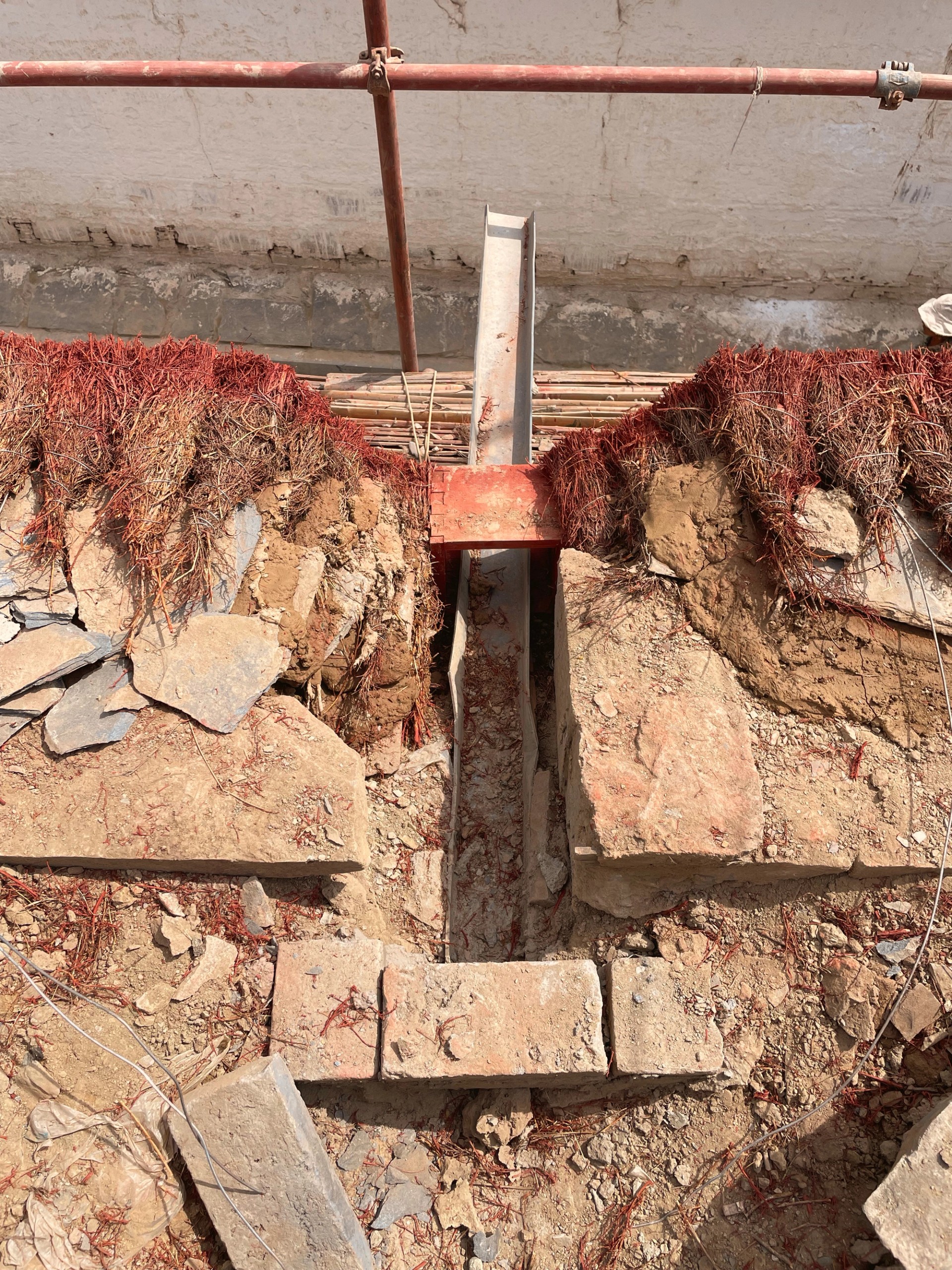
Constructed by local Bianma branches, the Bianma wall is laid on top of the lower load-bearing stone wall. The construction procedure includes staining the twigs, bundling them with iron wires and wooden stakes, laying the bundled twigs in layers, using clay as adhesive, and inserting thin stone slabs between layers.
Bluestone slabs are laid on both inner and outer sides to form drainage overhangs. The ends of short rafters are fitted with Kaxing cushion timbers and capped with flagstones to seal gaps.

The decorative timber components of bianma walls mainly consist of short rafters and Gama wood strips. The layout of Bianma wall timber components varies by region, with three layout combinations. In central Gannan regions, short rafters are placed above Gama wood strips. In Qinghai and Garze areas, Gama wood strips are arranged on top with short rafters below. For the middle waist line of double-layer Bianma walls, the layout adopts short rafters are put above Gama wood strips.
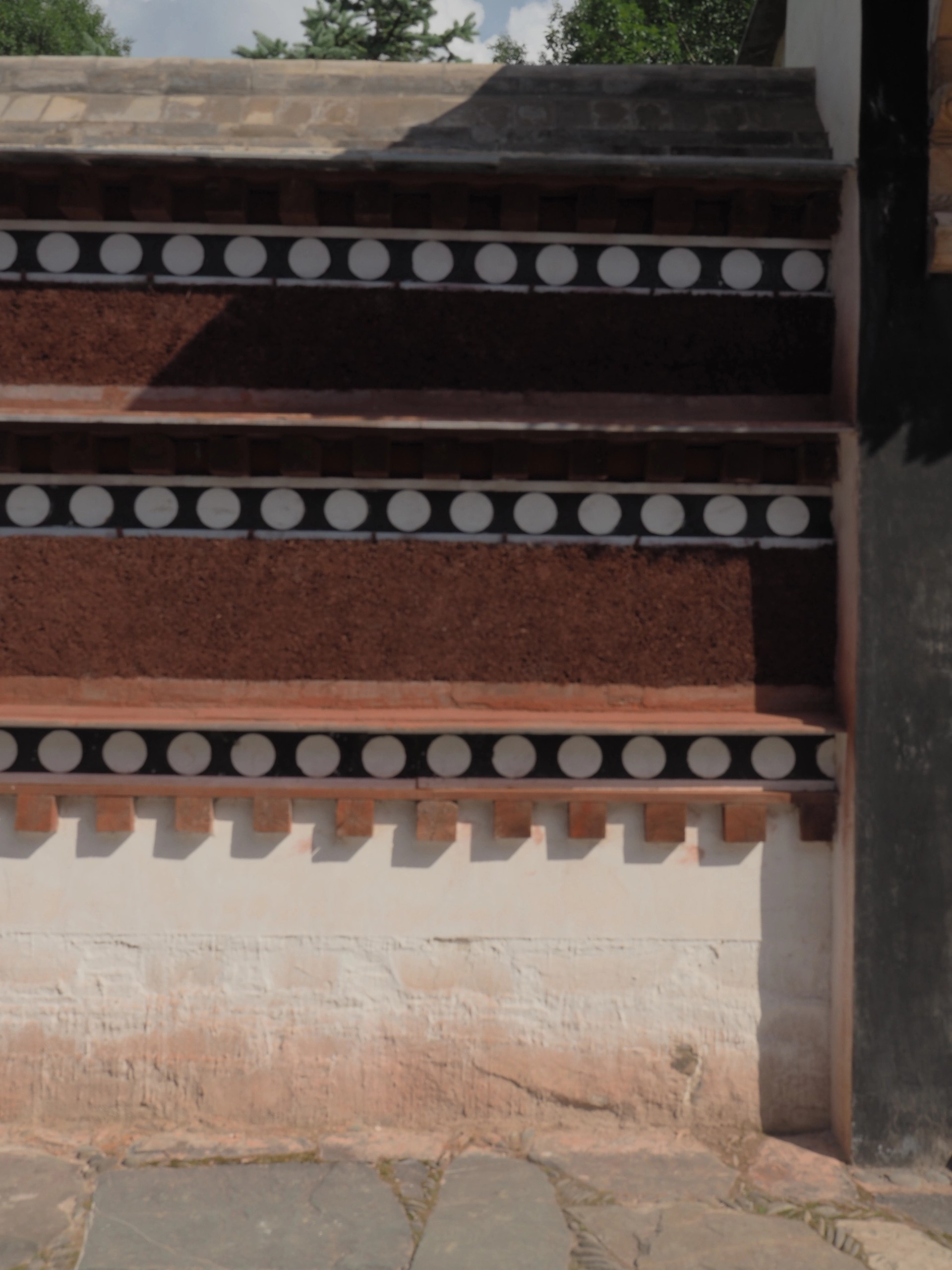
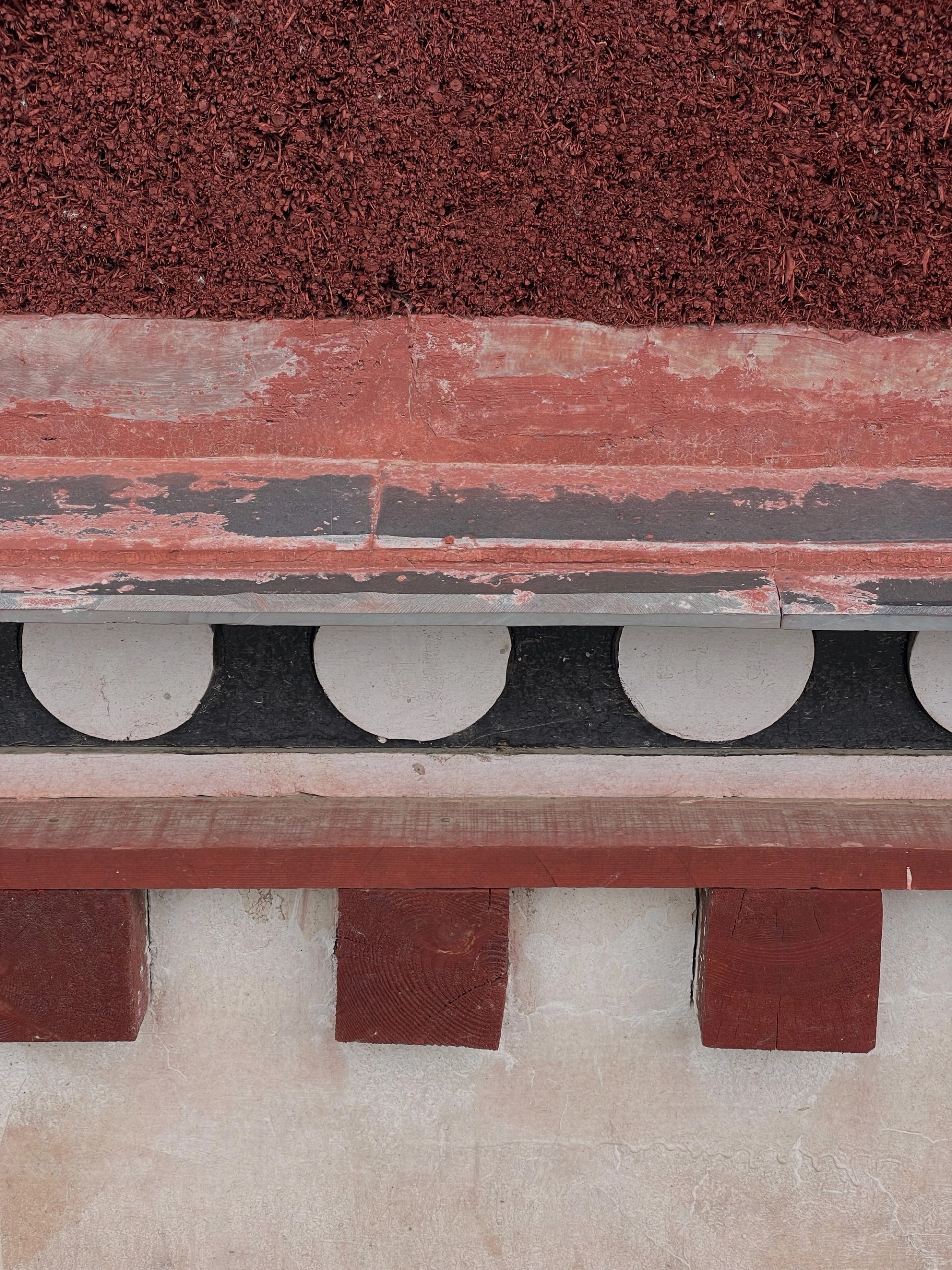
This design not only reduces the overall static load on the parapet, preventing deformation at the top of the wall, but also visually reflects the architectural grade through the complexity of the timber layers. It achieves the integration of structural function and decorative aesthetics